Phenotypes
The stud-book
Wild and paleo strains
Savoyard
- Coat
- Black and brown
- Since
- The Trials
Wild English
- Since
- The Trials
Generalised native phenotypes typically from England. The most common English colours are bay, warm grey, and shades of chestnut.
The Wild English, relative to the domesticated English, often presents with a straighter coat that can be wiry, and with darker fur.
Derived and domestic lines
English
- Since
- Grand Siècle
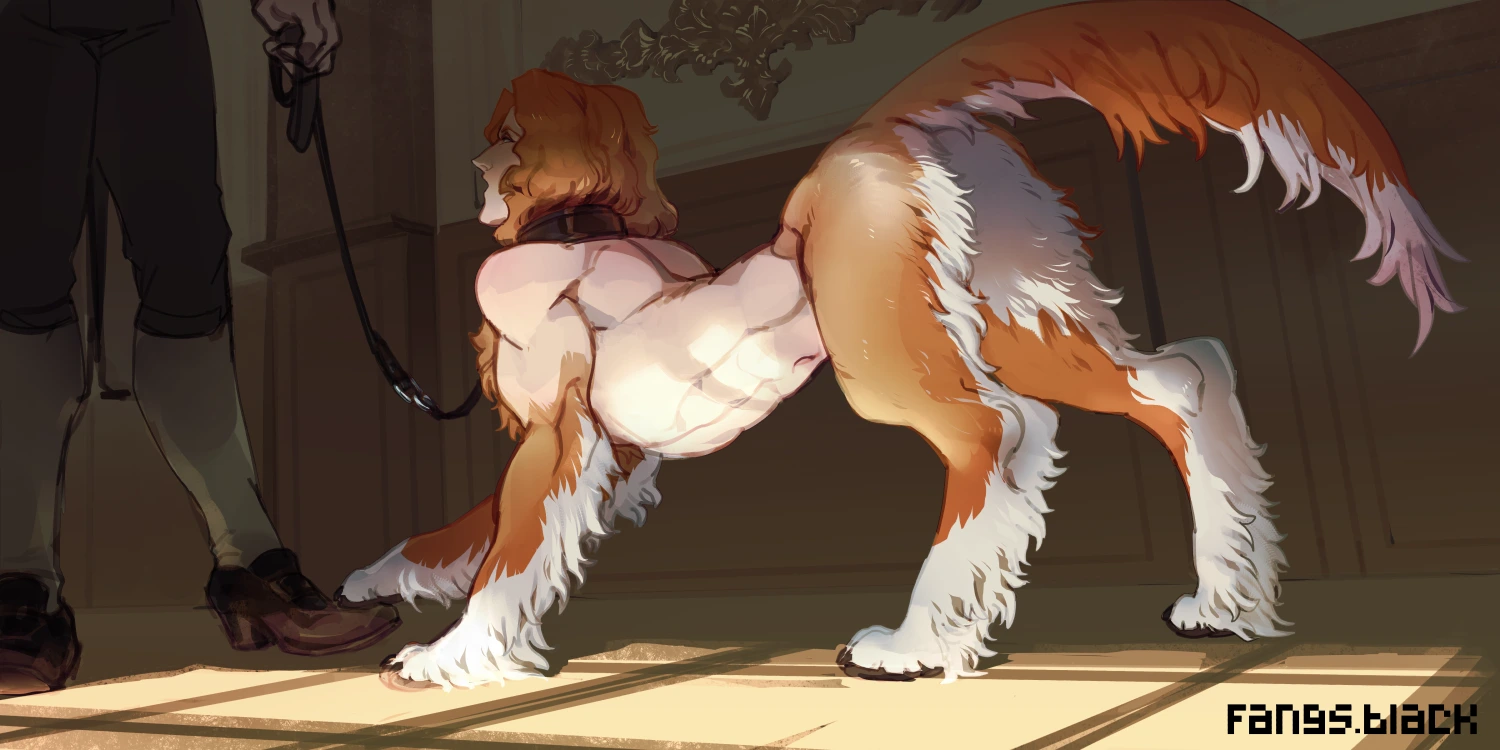
Domesticated phenotypes most typically from England. The most common English colours are bay, warm grey, and shades of chestnut. Relative to the Wild English, the domestic English has the potential to show wavier or slightly curly fur, and most often presents with brighter colours than its wild counterpart.
The English phenotype was developed in the late 1600s to early 1700s as a result of new vargenir being imported from France just after the Restoration, with Charles II's court said to have enjoyed the decadence of exotic animals. Studs in England bred these lines with wilder phenotypes.
Wellesley “Waterloo”
- Coat
- Deep Irish red
- Since
- The Empire
A phenotype developed by Napoleon for his Marshals. The deep Irish red of the Wellesley phenotype was named after the first Duke of Wellington.
Marengo
- Coat
- Dappled blue-grey
- Since
- The Empire
Rivoli
- Coat
- Tawny gold
- Since
- The Empire
An Austrian phenotype.
Wagram
- Coat
- Deep chestnut
- Since
- The Empire
Brumaire
- Coat
- Deep bay
- Patron
- Napoleon Bonaparte
- Since
- The Empire
A phenotype named after the Coup of 18 Brumaire. This phenotype strain very commonly presents with blue eyes.
Domestic